Small Observations
A writer’s notebook begins with something small
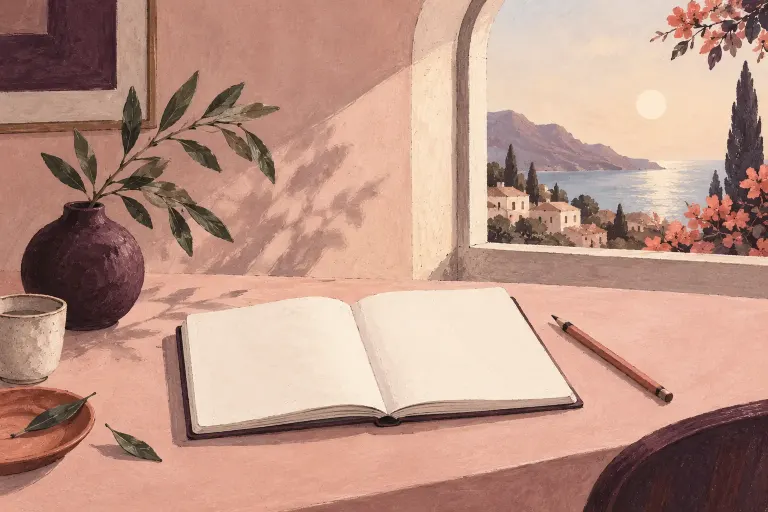
You do not need a remarkable day to fill a writer’s notebook. Begin with a detail, a question and a little room to imagine.

For the pleasure of finding the words
A closer look. A rough paragraph. A sentence worth returning to. Make a little room for the writing you want to do.
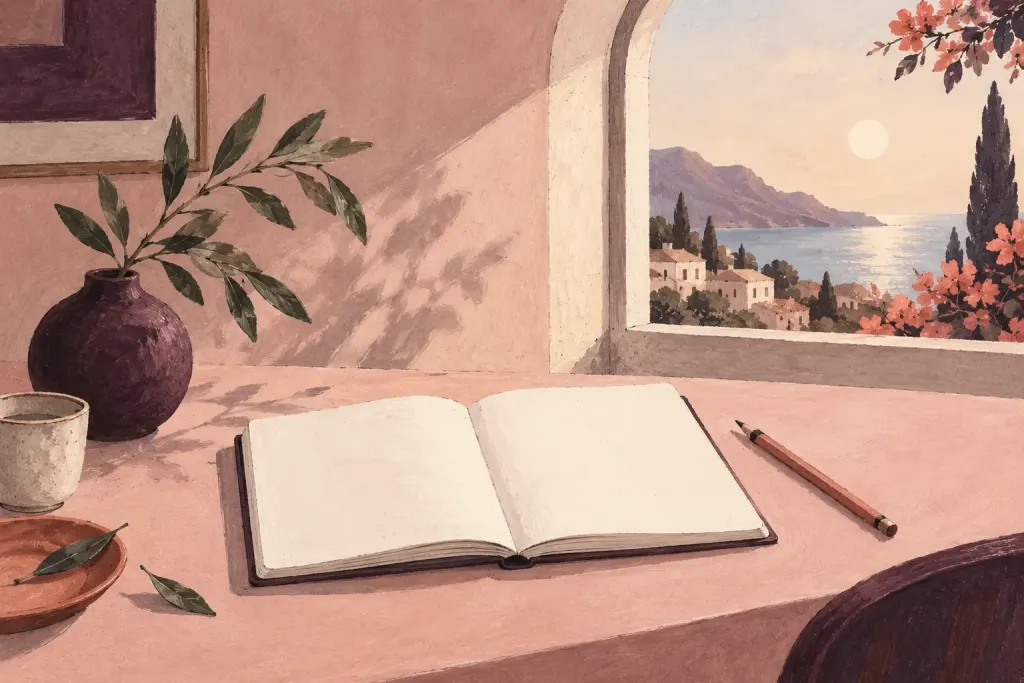
You do not need a remarkable day to fill a writer’s notebook. Begin with a detail, a question and a little room to imagine.
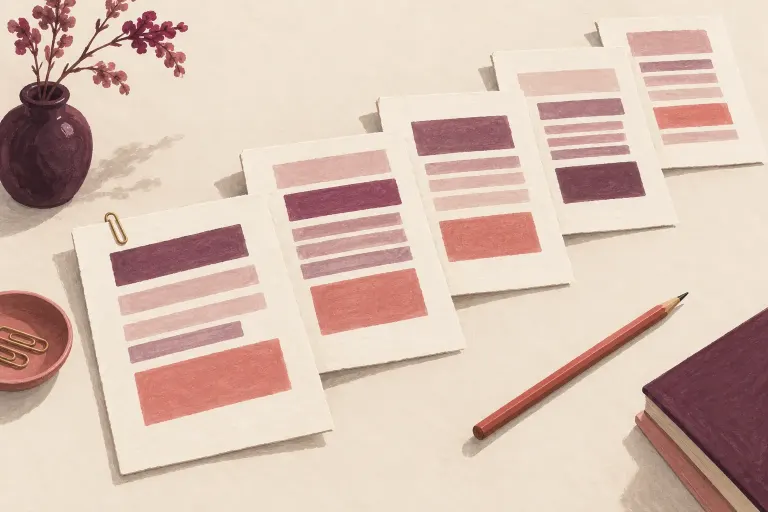
A reverse outline starts with the paragraphs already on the page. Use it to spot a repeated point, a missing step or an opening that arrives late.
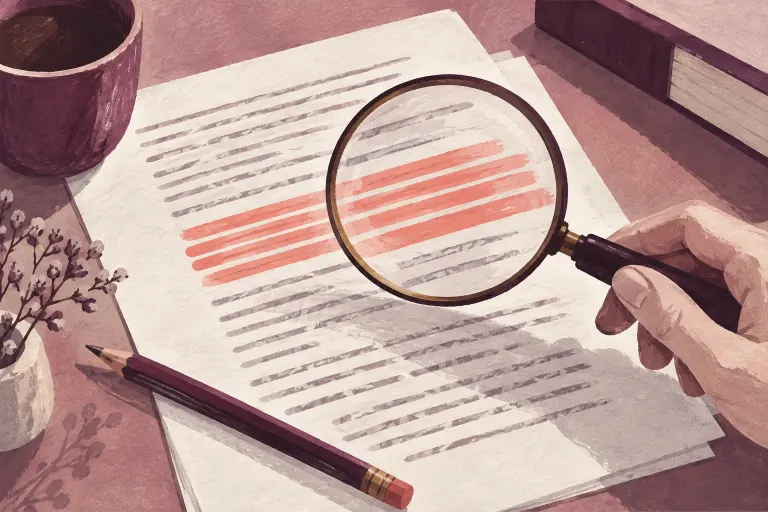
A clean sentence can still belong in the wrong draft. Separate big questions about purpose and structure from the final pass for small errors.
Find the point where your draft becomes interesting, then build an opening that gives readers a concrete reason to keep going.
Make prose leaner by identifying the action, removing repeated work and keeping qualifications that protect the meaning.
Give a fictional conversation movement by choosing what each speaker wants, what they avoid and what changes before the exchange ends.